Showing posts with label preventive dental care. Show all posts

Tuesday, November 17, 2015

A New Year's You: Dental Health Resolutions

Your dental health is an important part of your overall wellness, and the New Year is a great time to create resolutions for improving your health. Many people have dental health resolutions that range from improving their toothbrushing habits to completing delayed dental treatment. Understanding the benefits of your particular resolutions can be motivating and rewarding. Whatever your goals might be, it is important to take small steps to achieve them. Consistency is key with any resolution that you make.

Improving Toothbrushing and Flossing Habits
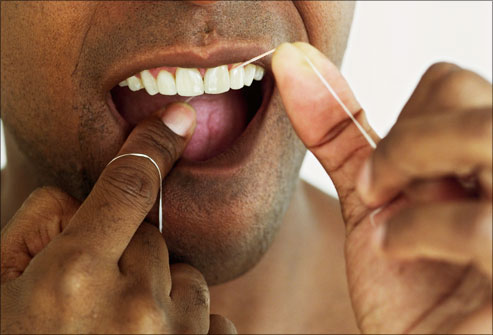
Perhaps you would like to improve your oral health. Daily toothbrushing and flossing is a sure and simple way to improve your oral health. For successful bacterial plaque removal, it is important to brush at least twice a day using an appropriately sized, soft-bristle, manual or electric toothbrush and fluoridated toothpaste. When you brush your teeth, gently position the toothbrush bristles at a 45-degree angle toward the gumline and move the toothbrush across the teeth to effectively remove bacterial plaque. It is also important to floss at least once per day to remove bacterial plaque and food that has accumulated throughout the day. Your toothbrush should be replaced every 3 to 4 months, as well as after you have a cold or flu or if the bristles are frayed. Daily toothbrushing and flossing help to prevent gingivitis (gum disease), tooth decay and halitosis (bad breath). The daily use of antimicrobial and fluoride mouthrinses also helps to improve your oral health.


To read the entire article written by Yolanda Eddis, please visit Colgate.com

Dentist Boca Raton FL
Dental Concepts ~ Bruce Braverman, DMD
2500 North Military Trail, Suite 230
Boca Raton, FL 33431
Telephone: (561)241-1010
Website: http://bocadentalconcepts.com

Monday, November 9, 2015

After-Hours Emergency Dentistry

Learn more about what the American Dental Association has to about after-hours emergency dentistry.


The above video is found on the American Dental Association YouTube Channel.

Dentist Boca Raton FL
Dental Concepts ~ Bruce Braverman, DMD
2500 North Military Trail, Suite 230
Boca Raton, FL 33431
Telephone: (561)241-1010
Website: http://bocadentalconcepts.com

Friday, October 9, 2015

Risks to Oral Health During Pregnancy

Learn more about what the American Dental Association has to about risks to your oral health during pregnancy.


The above video is found on the American Dental Association YouTube Channel.

Dentist Boca Raton FL
Dental Concepts ~ Bruce Braverman, DMD
2500 North Military Trail, Suite 230
Boca Raton, FL 33431
Telephone: (561)241-1010
Website: http://bocadentalconcepts.com

Tuesday, September 1, 2015

Diabetes and Your Mouth # 6: Floss Every Day

Flossing helps control plaque. It can reach where a toothbrush can't, like between the teeth. Floss daily with floss and interdental cleaners that carry the American Dental Association (ADA) seal. Ask your dentist for tips if you're not sure how to floss. Like everything else, flossing gets easier with practice.

The above article is from: WebMD.com

Dentist Boca Raton FL
Dental Concepts ~ Bruce Braverman, DMD
2500 North Military Trail, Suite 230
Boca Raton, FL 33431
Telephone: (561)241-1010
Website: http://bocadentalconcepts.com

Thursday, July 23, 2015

Custom Mouth-guards

Learn more about what the American Dental Association has to say about custom mouth-guards.


The above video is found on the American Dental Association YouTube Channel.

Dentist Boca Raton FL
Dental Concepts ~ Bruce Braverman, DMD
2500 North Military Trail, Suite 230
Boca Raton, FL 33431
Telephone: (561)241-1010
Website: http://bocadentalconcepts.com

Tuesday, June 9, 2015

Great American Smokeout

Learn more about what the American Dental Association has to say about about quitting smoking.


The above video is found on the American Dental Association YouTube Channel.

Dentist Boca Raton FL
Dental Concepts ~ Bruce Braverman, DMD
2500 North Military Trail, Suite 230
Boca Raton, FL 33431
Telephone: (561)241-1010
Website: http://bocadentalconcepts.com

Monday, March 23, 2015

Sugarless Gum

Learn more about what the American Dental Association has to say about sugarless gum.


The above video is found on the American Dental Association YouTube Channel.

Dentist Boca Raton FL
Dental Concepts ~ Bruce Braverman, DMD
2500 North Military Trail, Suite 230
Boca Raton, FL 33431
Telephone: (561)241-1010
Website: http://bocadentalconcepts.com

Friday, July 4, 2014

Periodontal Screening

Learn more about what the American Dental Association has to say about Periodontal Screening!


The above video is found on the American Dental Association YouTube Channel.

Dentist Boca Raton FL
Dental Concepts ~ Bruce Braverman, DMD
2500 North Military Trail, Suite 230
Boca Raton, FL 33431
Telephone: (561)241-1010
Website: http://bocadentalconcepts.com

Monday, May 26, 2014

Sports Safety: Avoiding Tooth and Mouth Injuries

A few years ago, a dental newsletter published what seemed like an unusual story. A boy snagged his teeth on a basketball net while doing a slam-dunk.
A freakish accident? Not quite. After the article appeared, nearly 40 dentists wrote in with their own stories. They all told of would-be Michael Jordans who sacrificed their front teeth in pursuit of the perfect dunk.
In older children and adults, sports injuries are common. Dentists estimate that between 13% and 39% of dental injuries occur while playing sports.
About 80% of all dental injuries affect at least one of the front teeth. Damage to the tongue or cheek is common, too.
Basic Protection
Even if a tooth has been knocked out, it often can be saved if you get to a dentist quickly enough. Minor chips and cracks can be repaired. Dentists use tooth-colored materials that are nearly as strong as the original tooth. However, even "minor" injuries can cause serious and costly damage. If you enjoy sports or other high-risk activities, protect yourself. The use of mouth guards among football players, for example, is believed to prevent about 200,000 mouth injuries a year.
Depending on the sport, two types of protection are available:
  • Helmets - A helmet is a must for activities that involve speed or impact. These include football, hockey, skating and bike riding. The helmet should fit correctly. It should also be appropriate for the sport you are playing. 
  • Mouth guards - Wearing a mouth guard is one of the best ways to prevent injury to your teeth, tongue and lips. A custom-fit mouth guard from your dentist is recommended. This type of mouth guard usually fits better than a ready-made one (found in sporting-goods stores). That means it may protect your teeth better.
If a custom-fit mouth guard isn't an option, try a "boil-and-bite" mouth guard. You can buy one in a sporting-goods store. You place the mouth guard in boiling water. Once the plastic is soft (but not too hot), you bite down on the mouth guard and mold the softened plastic around your teeth. If the mouth guard doesn't fit comfortably the first time, you can reheat it and do it again.

©2002-2013 Aetna, Inc. All rights reserved.
09/25/2013

The above article is from: Colgate.com

Dentist Boca Raton FL
Dental Concepts ~ Bruce Braverman, DMD
2500 North Military Trail, Suite 230
Boca Raton, FL 33431
Telephone: (561)241-1010
Website: http://bocadentalconcepts.com

Monday, July 8, 2013

Why Are Minerals and Nutrients Important for Oral Health?

You must include minerals and nutrients in your diet in order for the body's tissues to resist infection. The presence of too much or too little of any nutrient can have harmful effects, particularly on the mouth and teeth, and may contribute to oral diseases and infection.

Which vitamins and minerals are good for me?
There are many minerals and nutrients that are good for the entire body. Here are just some of the minerals and nutrients your body needs to stay healthy:

Calcium. Your teeth and jaws are made mostly of calcium. Without enough calcium in your diet, you risk
developing gum disease and tooth decay. Calcium is found in many foods and liquids, such as milk,
yogurt, cheese, beans, and oysters.

Iron. Iron deficiency can cause your tongue to become inflamed, and sores can form inside your mouth.
Iron is found in many foods, including liver and red meat. Other iron-rich foods include bran cereals,
some nuts, and spices.

Vitamin B3 (niacin). A lack of vitamin B3 can cause bad breath and canker sores in the mouth. To boost your B3 levels, eat chicken and fish.

Vitamins B12 and B2 (riboflavin). You also can develop mouth sores when you do not consume enough of the vitamins B12 and B2. Red meat, chicken, liver, pork, fish, as well as dairy products like milk, yogurt, and cheese, are good sources of vitamin B12. Vitamin B2 is found in foods like pasta, bagels, spinach, and almonds.
      
Vitamin C. Too little vitamin C will lead to bleeding gums and loose teeth. Sweet potatoes, raw red peppers, and oranges are great sources of vitamin C.
        
Vitamin D. It is very important to consume enough vitamin D because it helps your body  absorb calcium. A diet lacking or low in vitamin D will cause burning mouth syndrome. Symptoms of this condition include a burning mouth sensation, a metallic or bitter taste in the mouth, and dry mouth. Drink milk, and eat egg yolks and fish to increase your vitamin D intake.

Which foods may be bad for my mouth and why?
Not all foods are good for your teeth. If you consume these foods, do so in moderation, and be sure to practice good oral health care.
      
Carbohydrates. Bacteria feed on leftover foods in the mouth and produce acid, which causes decay. Carbohydrate-laden foods, such as chips, bread, pasta, or crackers, can be as harmful to the teeth as candy.
      
Sticky, chewy foods. Raisins, granola bars, jelly beans, caramel, honey, and syrup stick to teeth and make it difficult for saliva to wash the sugar away.
      
Sugary snacks. Snacks like cookies, cakes, or other desserts contain a high amount of sugar, which can cause tooth decay.
      
Gum and candy. Chewing gum and eating candy is very harmful to your teeth. As you eat, sugar coats your teeth, which can lead to cavities.
      
Carbonated soft drinks. Regular soda (or pop) contains an extremely high amount of sugar. Both regular and diet sodas also contain phosphorous and carbonation, which wears away the enamel on your teeth (causing them to become stained and brown).
      
Fruit or vegetable juices. Fruit and vegetable juices tend to be high in sugar, which can damage tooth enamel and lead to decay.
 
To ensure that you're getting the nutrients, vitamins, and minerals your body needs, check out the U.S. Department of Agriculture's Web site at www.mypyramid.gov.

Above article from: KnowYourTeeth.com


Dentist Boca Raton FL
Dental Concepts ~ Bruce Braverman, DMD
2500 North Military Trail, Suite 230
Boca Raton, FL 33431
Telephone: (561)241-1010
Website: http://bocadentalconcepts.com

Friday, July 5, 2013

What is a Mouthguard?

A mouthguard is a flexible appliance that is worn in athletic and recreational activities to protect teeth from trauma. The dental profession unanimously supports the use of mouthguards in a variety of sports activities.
 
Why should I wear a mouthguard?
 
A mouthguard can prevent serious injuries such as broken teeth, jaw fractures, cerebral hemorrhage and neck injuries by helping to avoid situations where the lower jaw gets jammed into the upper jaw. Mouthguards are effective in moving soft tissue in the oral cavity away from the teeth, preventing laceration and bruising of the lips and cheeks, especially for those who wear orthodontic appliances. They may also reduce the severity and incidence of concussions.
 
In what sports should I wear a mouthguard?
 
Anytime there is a strong chance for contact with other participants or hard surfaces, it is advisable to wear a mouthguard. Players who participate in basketball, softball, football, wrestling, soccer, lacrosse, rugby, in-line skating and martial arts, as well as recreational sports such as skateboarding and bicycling, should wear mouthguards while competing.
 
Why don't kids wear mouthguards?
 
Parents are sometimes uninformed about the level of contact and potential for serious dental injuries involved with sports in which the child participates. Some, though not all, schools reinforce the health advantage of mouthguards for their contact sports. Cost may be another consideration, although mouthguards come in a variety of price ranges.
 
What are the different types of mouthguards?
 
Stock mouthguard: The lowest cost option is a ready-made, stock item, which offers the least protection because the fit adjustment is limited. It may interfere with speech and breathing because this mouthguard requires that the jaw be closed to hold it in place. A stock mouthguard is not considered acceptable as a facial protective device.
 
Mouth-formed mouthguard: There are two types of mouth-formed mouthguards. The first is a shell-liner mouthguard that is made with an acrylic material that is poured into an outer shell, where it forms a lining. When placed in an athlete's mouth, the protector's lining material molds to the teeth and is allowed to set. Another type is a thermoplastic, or "boil-and-bite," mouthguard. This mouthguard is softened in hot water and then placed in the mouth and shaped around the teeth by using finger, tongue and sometimes biting pressure.
 
Custom-made mouthguard: The best choice is a mouthguard custom-made by your dentist. It offers the best protection, fit and comfort level because it is made from a cast to fit your teeth.
 
How should I care for a mouthguard?
 
•    Clean your mouthguard by washing it with soap and cool (not hot) water.
•    Before storing, soak your mouthguard in mouthwash.
•    Keep your mouthguard in a well-ventilated, plastic storage box when not in use. Make sure the
     box has several holes so the mouthguard will dry.
•    Heat is bad for a mouthguard, so don't leave it in direct sunlight or in a closed automobile.
•    Don't bend your mouthguard when storing.
•    Don't handle or wear someone else's mouthguard.
•    Call your dentist if there are any problems.

Above article by: KnowYourTeeth.com


Dentist Boca Raton FL
Dental Concepts ~ Bruce Braverman, DMD
2500 North Military Trail, Suite 230
Boca Raton, FL 33431
Telephone: (561)241-1010
Website: http://bocadentalconcepts.com 

Sunday, March 3, 2013

Learn more about mouth guards


Types of Mouth Guards

You don’t have to be a football player to benefit from wearing a mouth protector. Any adult or child involved in a recreational activity that poses a risk of injury to the mouth can obtain smile protection with this important safety device.

There are basically two types of mouth protectors:

Pre-fabricated:
A pre-fabricated mouth guard can be purchased at stores, these mouth guards are often only offered in a general size offerings.
Custom:
Mouth guards can also be fabricated by your dentist using an exact model (impression) of your mouth. This type of mouth guard provides superior fit and protection.

Custom-made mouth guards

Your dentist can create a special mouth protector just for you – one that will provide comfort and proper fit. A custom-made mouth protector is individually designed and constructed in the dental office or according to your dentist’s specifications in a professional dental laboratory.

First, the dentist makes an impression of the patient’s teeth. Using a special material, the dentist constructs the mouth protectors over a model of the teeth.

Although custom-made mouth protectors are somewhat more expensive than stock mouth protectors purchased in stores, their exceptionally good fit, comfort, and overall quality make them worth it. A custom-made mouth protector is easily retained in the mouth and does not interfere with speech or breathing. For these reason, custom-made devices are often preferred by sports enthusiasts and recommended by dentists. So give your smile a sporting chance – ask you dentist about mouth protectors.

Athletic Requirements

If you have dental appliances such as orthodontic braces or bridgework, you should wear a mouth protector that has been fitted by a dentist.
A mouth protector should be worn at all times during contact sports, in practice as well as during games.
Mishaps on the playing field, the basketball court, and while riding a bicycle or skateboard often involve blows to the head, face, and mouth.

Besides creating a painful emergency, injuries to the mouth can result in chipped or fractured teeth, nerve damage, and tooth loss. Wearing a mouth protector is a simple way to prevent many of these painful and costly injuries.

Above article written by: DentalHealthOnline.net

2500 North Military Trail, Suite 230
Boca Raton, FL 33431
Telephone: (561) 241-1010

Saturday, December 1, 2012

Sports Drinks - Things That Can Ruin Your Smile


In the last decade, sports beverages have become increasingly popular, but they aren't great for your teeth.
"Scientific research has found that the pH levels in many sports drinks could lead to tooth erosion due to their high concentration of acidic components, which could wear away at the tooth's enamel," says David F. Halpern, DMD, FAGD, president of the Academy of General Dentistry.
Additionally, these drinks are often high in sugars that act as "food" for acid-producing bacteria, which then sneak into the cracks and crevices in your teeth, causing cavities and tooth decay.

Above article by: Kristin Koch, Health.com

2500 North Military Trail, Suite 230
Boca Raton, FL 33431
Telephone: (561) 241-1010

Monday, October 1, 2012

Learn more about ‘bad breath’


Halitosis

Halitosis or bad breath or oral malodour is socially unacceptable but self-diagnosis is difficult, as it is not possible to easily detect an odour from ones' own breath. Those who have halitosis are often unaware of it and often may be informed by friends or relatives. Yet those people who have been told that they suffer from bad breath can continuously worry if an offensive smell can be detected from their breath.


Halitosis is mainly caused by excessive amount of volatile sulphur compounds being produced by bacteria in the mouth. Studies have shown that up to 50 per cent of adults suffer from objectionable mouth odour in early morning before breakfast or toothbrushing. The reason for this is that saliva incubates bacteria in the mouth during sleep (reduced saliva flow). People with periodontal disease exhibit raised odour intensity due to incubation of saliva and micro-organisms in periodontal pockets.

Prevention

The plaque control and oral hygiene products aimed at controlling dental caries and periodontal disease will also help prevent halitosis. Also, treatment of periodontal disease in which periodontal pocketing is reduced will minimize halitosis. A number of systemic diseases and conditions such as diabetes mellitus, chronic renal failure and cirrhosis of the liver can give rise to particular bad odours.

There is increasing interest in the development of a reliable system that will measure the level of volatile sulphur compounds in one's breath. This technology is making rapid progress though the cost of a reliable system remains problematical.

Reduction of halitosis is achieved in several ways. The amount of volatile sulphur compounds in the breath can vary greatly during the day in a single subject and is influenced by factors such as eating, drinking, oral hygiene and sleep and the effect these activities have on saliva flow and the washing of the oral cavity. The majority of studies done on volatile sulphur compounds concentrate on the effects which commercially available mouthwashes have on the reduction of halitosis. The reduction in mouth odour is caused by the anti-microbial influence of the mouthwash.

Some products however, mask halitosis rather than dealing with the cause of the problem. Toothbrushing, eating, chewing gum and tongue brushing usually reduce the levels of oral halitosis to acceptable levels as well but the effect is not as long lasting as antimicrobial mouthwashes. There are now tongue cleaning devices which can be effective in controlling halitosis.

Above article from DentalHealth.ie


2500 North Military Trail, Suite 230
Boca Raton, FL 33431
Telephone: (561) 241-1010